
Whether it’s for a social get-together or convenience’s sake, eating out is a staple in anyone’s life these days. Dining out with diabetes may look different from other friends and family, but you are not alone. With 11.6% of the population living with diabetes, there are more options now than ever to support a low-carb diet that can help manage your blood sugar. While every cuisine can be modified to meet your needs, we will be focusing specifically on how to order at various Asian restaurants including Chinese, Vietnamese, Korean, and Japanese.

General Tips for Dining Out with Diabetes
Plan Ahead
If you know ahead of time that you are making social plans with friends or family to go out to eat, suggest a restaurant that you know is easy for you to enjoy a meal at. Look up menu nutrition information online as it’s available and use your own experience with restaurants you have been to before that you know are happy to accommodate modified orders.
While chain restaurants with over 20 locations are legally required to provide nutrition information, many others choose to share voluntarily as diners want to know more about their food. If you find yourself at a restaurant without available nutrition details, or if you can’t control the choice, try to look for dishes that are steamed, grilled, or stir-fried, and consider asking for sauces on the side.
Be Mindful of Portion Sizes
Restaurant portion sizes are often much larger than what we would serve ourselves at home. Try to focus on only eating til a comfortable level of fullness and avoiding that “stuffed” feeling. Know that taking leftovers home is always an option and don’t feel pressured to polish your plate all at once.
If you’re still working on being mindful of your portion sizes while dining, consider asking for a take-out container before you dig in. This way, you can portion out your meal in advance. Another option is to share dishes with a dining companion or opt for items from the kid’s menu, which usually features smaller servings.
When dining out with diabetes, it’s crucial to pay attention to the portion sizes of the components of your meal as well. Aim to keep your meals in line with the diabetes plate method: that means filling half your plate with non-starchy vegetables, a quarter with lean proteins, and the remaining quarter with carbohydrate-rich foods. Don’t hesitate to ask for substitutions or extra servings of veggies or salads to help you hit those targets. This method also works great when you are dining family-style and sharing multiple plates with a group of people. This way, you are in full control of what your plate is made of. Plus, you get to have a small sample of all your favorite types of foods!
Watch for Sauces and Condiments
If you can, request sauces and condiments on the side to have better control over how much you use, rather than relying on what the chef adds. Opt for dressings that are vinegar or citrus-based or dishes that rely more on fresh herbs and spices such as garlic, ginger, and basil for flavor as these typically have less added sugar. Be cautious with many Asian sauces and marinades, as they can be quite high in sugar. Also, some dishes might come with several sauces, so it might be a good idea to pick just one to complement your meal.
For those managing chronic kidney disease, this approach can significantly help reduce your sodium intake! Learn more about lower-sodium Asian sauce options here.
Choose Lean Proteins
Lean proteins can come from various types of meat, including pork and beef, often thought of as unhealthy choices. The key is really about the specific cut of meat you select. Every animal has both fatty and lean cuts, so nothing has to be completely off the table! Generally, cuts that end in “-loin” and bottom round roasts are good lean options. If you’re opting for ground meat, look for at least 90 percent lean. Try to avoid fried, battered, and tempura-style prepared meats.
In addition to lean meats, let’s not overlook our plant-based proteins! Beans, tofu, and edamame are excellent choices that also provide fiber, which can help manage your blood sugar levels. If you have chronic kidney disease, you may want to look more into the potassium content of certain soy-based foods. A Look at Soybean Nutritional Value and Chronic Kidney Disease can provide you with more insight on how to fit these foods safely into your diet.
Skip the Sugar-Sweetened Beverages with Your Meal
Sugar-sweetened beverages can be one of the easiest ways to reduce simple carbs in your meal when dining out with diabetes. While it may take some conscious decision-making, it is still the easiest option out of all of the above because it is always an available option to skip something and just have water.
If you’re looking for other refreshing options, consider hot teas, unsweetened iced tea, sparkling water, or even adding slices of citrus or cucumber to your water for a tasty twist.
Are you a fan of boba tea? Be sure to check out my tips for ordering a healthier version here!
Healthy Choice Examples at Different Asian Restaurants
Use these examples as a guide when dining out to support healthy diabetes management.
Chinese
- Steamed dumplings: Look for all vegetable and meat-vegetable options to maximize fiber intake.
- Beef and broccoli: The broccoli in this dish is often mixed in with the stir fry sauce. To lower the sodium content further, ask for plain steamed broccoli on the side instead.
- Shrimp and vegetable stir-fry: Shrimp is a great low-calorie, lean protein option available at most Chinese restaurants. Pair it with steamed or stir-fried vegetables and a side of brown rice, if available. If you also have CKD, it’s important to note that many restaurants will use frozen shrimp, which often has a salt added which increases the sodium content.
- Vegetarian Options – Steamed Vegetables with Tofu: This dish is low in carbs and provides a good balance of protein and fiber from the tofu and vegetables. Buddha’s Delight (Luo Han Zhai): A classic vegetarian dish featuring a mix of vegetables like bok choy, mushrooms, bamboo shoots, and tofu. It’s light, nutritious, and often naturally low in calories.
Vietnamese
- Summer rolls: Often served with shrimp, pork, or tofu and fresh vegetables, spring rolls are a great option for dining out with diabetes. If given the choice between peanut sauce or sweet thai chili sauce for dipping, consider choosing peanut sauce for the added boost of healthy fats to help control blood sugar levels.
- Pho: Most resturants offer a variety of different protein options including beef, chicken, fish, and tofu. Although this dish is served with noodles, you may be able to request less noodles and ask for more vegetables to go in it.
- Vegetarian Vermicelli Bowl: Made with vermicelli noodles, vegetables, tofu, and herbs. While vermicelli contains carbohydrates, you can reduce the portion size of the noodles and focus on the vegetables and tofu.
Thai
- Hot and Sour Shrimp Soup: This flavorful soup is low in carbohydrates and rich in lean protein from shrimp. It’s often packed with vegetables like mushrooms and herbs, making it a light, diabetes-friendly starter.
- Green papaya salad: This is a great entree salad that can be a complete meal on its own with your choice of protein and most commonly served with a light vinaigrette.
- Steamed Fish with Lime and Garlic: A light and healthy option, this dish features steamed fish (often sea bass) with lime, garlic, and herbs. It’s low in carbs and full of flavor without being heavy on sugars or unhealthy fats.
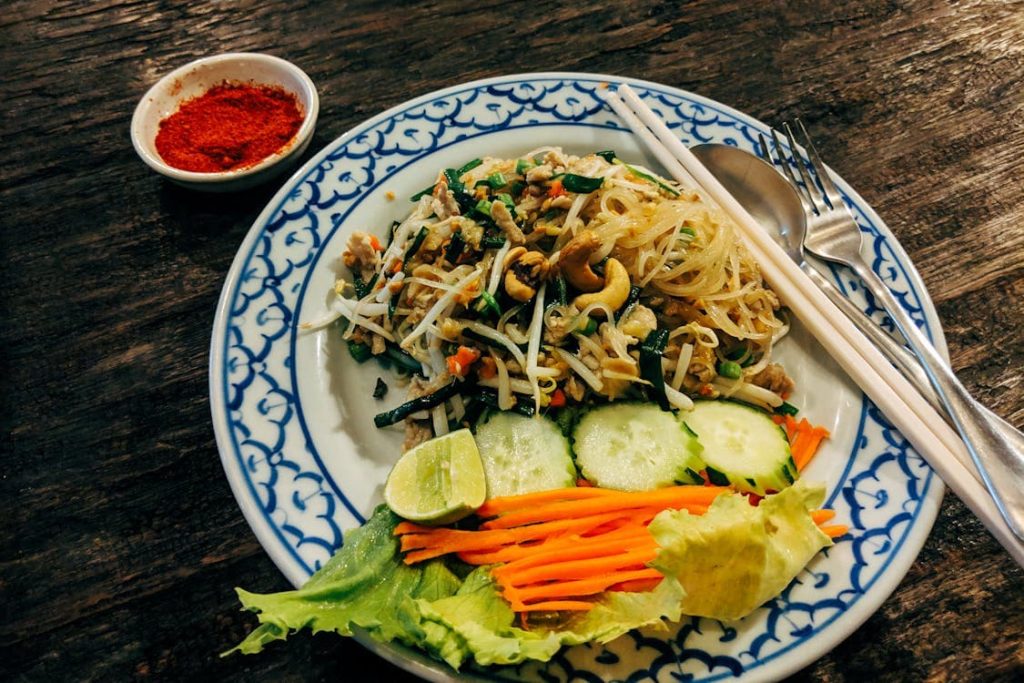
- Pad Thai (Modified): Pad Thai is typically high in carbohydrates due to the rice noodles and sweet sauce. However, you can ask for extra protein and vegetables and reduce the noodles or request a smaller portion.
Korean
- Korean BBQ: Korean BBQ style restaurants often allow you to grill your own meats and pair them with your choice of sauces and marinades. This allows you to be in total control of which cuts of meat and how much added sugar and sodium you are getting from the condiments.
- Galbi (Grilled Marinated Beef Short Ribs): A flavorful option, but the marinade can be high in sugar. Enjoy this dish in moderation, and pair it with non-starchy vegetables like cabbage or spinach to create a more balanced meal.
- Bulgogi: This thin-cut stir-fried meat is typically beef, but chicken and pork options are also popular. Pair it with a side salad or fresh steamed vegetables to add fiber and nutrients to your meal.
- Stews (e.g. Kimchi Jjigae or Sundubu Jjigae): These stews often contain protein (like tofu, pork, or seafood) and are packed with vegetables. They’re a warming, low-carb option. Opt for more broth and veggies, and go easy on the rice that typically accompanies it.
- Bibimbap: Bibimbap can be a good option if you control the portion of rice. Choose the vegetarian version with tofu or mushrooms, and ask for brown rice if available. Focus on the vegetable toppings like spinach, bean sprouts, carrots, and zucchini to increase fiber. Go light on the gochujang sauce, as it can contain added sugars
Japanese
- Sashimi (Slices of Raw Fish): Sashimi is an excellent choice because it’s pure lean protein and contains no carbs. Fish like salmon, tuna, and mackerel are also rich in omega-3 fatty acids, which are beneficial for heart health.
- Yakitori (Grilled Chicken Skewers): These skewers of grilled chicken (or other meats) are high in protein and low in carbohydrates. Choose leaner cuts like chicken breast, and avoid skewers coated in sugary sauces like teriyaki.
- Hibachi: Hibachi-style restaurants often have the chef prepare your food in front of you, so it is easier to have direct communication on how you want your food prepared. There are typically many lean protein options to choose from as well as fresh vegetables and salads to add to your meal. Keep in mind that these restaurants often do serve very large portions so be sure to check in with yourself on satiety and avoid overstuffing yourself.
- Edamame (Steamed Soybeans): Edamame is a great starter. It’s high in fiber, protein, and has minimal carbohydrates, making it a filling and nutritious option when dining out with diabetes.



2 Comments
Thanks — this is one of the better and more practical guides I’ve found online. T2 diabetes but manage it w/out insulin. Live in LA and eat Asian foods most of the time, and heading out for a month in Asia, appreciate this.
I’m glad that you found this helpful! I hope you enjoy your time in Asia!!