While the flavors within various Asian cuisines are undeniably delicious, they are often high in sodium. Balancing sodium intake with flavor is a challenge for anyone working to reduce blood pressure or manage kidney disease through diet. The good news is that you don’t have to sacrifice taste for health when making your favorite Asian dishes. We’ll break down five ways to reduce salt, boost flavor and support your health goals.
The Role of Salt in Asian Dishes
Adding salt to food enhances its umami flavor- the fifth taste, next to sour, sweet, bitter, and salty. Just as sour and sweet go hand-in-hand in candies and sweets, salty and umami combine beautifully in comforting dishes.
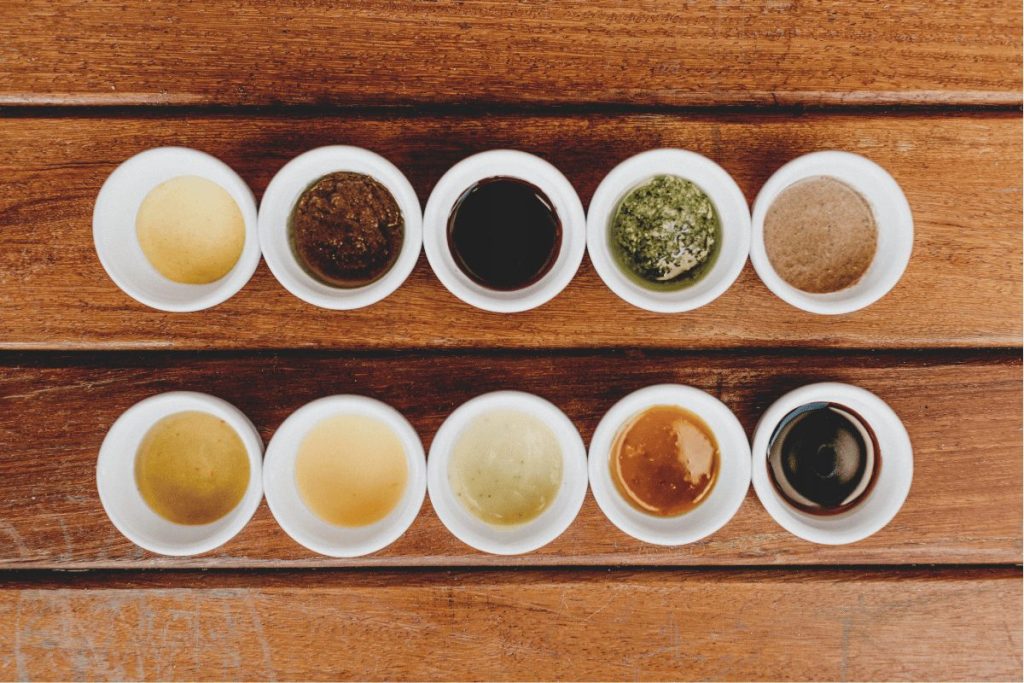
Salt is found in many ingredients that are popular among Asian dishes. Here are some common Asian condiments and their average sodium amounts per serving:
| Ingredient(based on 1 tablespoon serving size) | Sodium |
| Soy sauce | 879mg |
| Fish sauce | 1,413mg |
| Miso | 641mg |
| Oyster sauce | 492mg |
Sodium amounts sourced from USDA Food Data Central
How Much Sodium Should I Eat Per Day?
Nutrition labels base their daily value percentages on general recommendations for a 2,000-calorie diet. These percentages show how much a nutrient contributes to that daily intake, but they may not apply to you—especially if you’re managing chronic kidney disease or high blood pressure through diet. The sodium limit listed on the label refers to 2,300 mg per day. However, the DASH diet advises limiting sodium to 1,500 mg per day to support heart health. For kidney disease, sodium restrictions are more individualized based on your disease stage, so consult your primary care provider or kidney dietitian for guidance.
Before you run directly for the salt substitutes as an easy 1:1 swap in cooking, know that many salt substitutes are potassium based- another nutrient that you may need to be limiting with chronic kidney disease. Continue reading for easy-to-apply tips that reduce your salt intake.
- Choose low-sodium soy sauce or alternative
When items are labeled as reduced-sodium, it means sodium levels have been reduced in that food by at least 25% compared to the original product. Reduced-sodium soy sauces are often labeled with a different color on their packaging to help distinguish themselves from the original.
Other options to reduce salt include diluting regular soy sauce with water or using coconut aminos- both options work great in many Asian dishes! - Cook with fresh herbs and spices for flavor
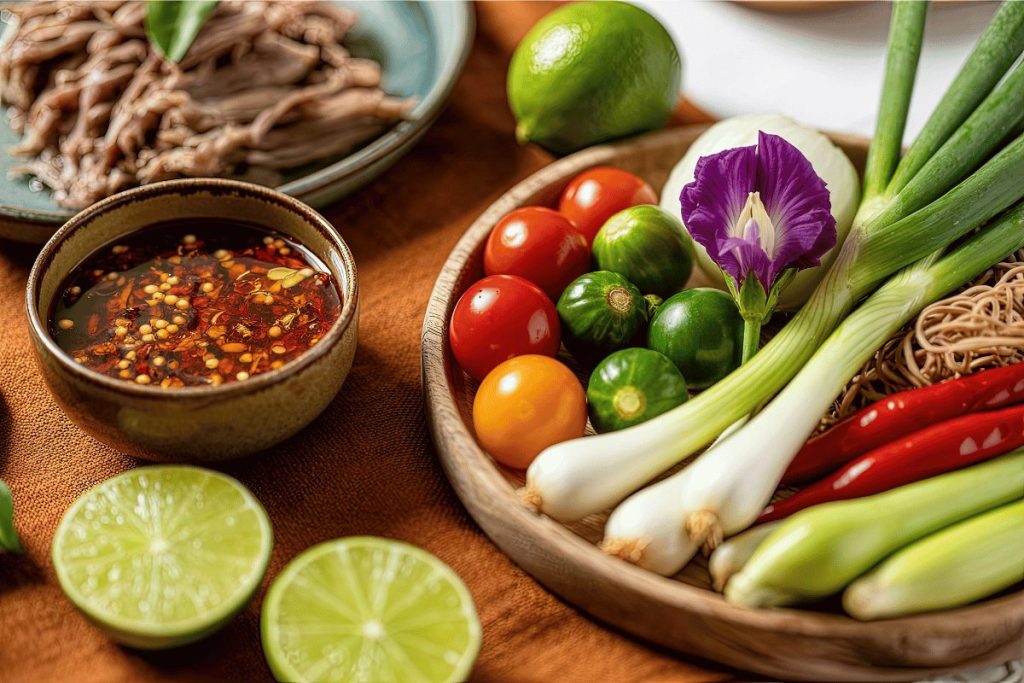
Instead of reaching for salt or soy sauce to add depth to a dish, experiment with adding different herbs, spices, and other seasonings. Here are some that pair well with different Asian cuisines:
- Thai, Vietnamese and Malaysian:
- Thai basil
- Mint
- Cilantro
- Lime
- Southeast Asian:
- Cumin
- Coriander
- Turmeric
- Chinese:
- Clove
- Ginger
- Five-spice powder
- Star anise
- White Pepper
- Sesame seeds/sesame oil
- Coriander
- Thai, Vietnamese and Malaysian:
- Reduce salt in broths and soups
Premade broths and bouillons often contain high amounts of sodium. Whether it’s the rich, savory broth in ramen or the light, aromatic base in pho, making your own can significantly reduce your salt intake.
Here are a few quick tips:- Boost umami flavor by adding ingredients like seaweed, dried shiitake mushrooms and chilis
- Finish soups with a drizzle of chili oil or sesame oil for extra flavor without the extra salt
- Focus on healthier cooking methods
Consider changing how you cook certain dishes to retain flavor without relying too heavily on salt, such as steaming and stir-frying vs deep frying.
Steaming works great with fish, vegetables and dumplings. This gentle cooking process also helps preserve nutrients and enhances natural umami taste of ingredients.
Stir-frying uses just a small amount of oil, which can be infused with flavors like sesame or chili oil. Heat intensifies the potency of herbs and spices, so lean into them as a flavorful way to reduce salt in your favorite Asian dishes. - Add fermented foods for depth and flavor
Fermented foods offer great health benefits for your gut, thanks to their abundance of live, active probiotics. They also bring a tangy kick to your meals, even in small amounts. Consider adding these fermented foods to your favorite Asian dishes when you’re looking to reduce your salt intake:- Kimchi
- Pickled vegetables
- Tempeh
- Natto
- Gochujang
- Be mindful of portion sizes when including these foods. For instance, a 2-tablespoon serving of kimchi contains 230mg of sodium. Fortunately, the bold flavors of fermented foods mean you don’t need much to elevate your dish.
Summary
It’s entirely possible to enjoy the bold, savory flavors of your favorite Asian dishes while reducing the health risks of high salt intake. Common condiments like soy sauce, fish sauce, and miso can pack in significant sodium, but swaps like low-sodium soy sauce, coconut aminos, and homemade broths can help cut back. Incorporating fresh herbs, spices, and fermented foods also adds flavor without the added salt. Pair these ingredient swaps with mindful cooking techniques like steaming and stir-frying to prioritize your health without sacrificing taste.
If you’re managing kidney disease or high blood pressure and need personalized guidance, book a consultation with our team.